
Traditional Chinese medicine is one of the forms of alternative medicine that originated in China about 3,000 years ago. It is a system of health care based on the idea that laws of nature can be used to understand the inner workings of the body.
Like other types of medical practices that have different facets, traditional Chinese Like other types of medical practices that have different facets, traditional Chinese medicine offers varied types of treatments for different health problems, including tit tar treatment.
Generally, an individual who practices and provides a service for traditional Chinese medicine is known as a “Sin She” or “Sifu”. Listed below are some common traditional Chinese medicine practices:
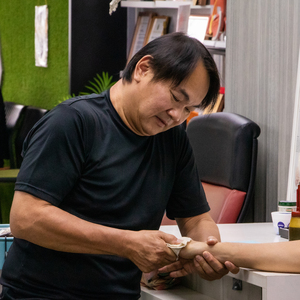
Tit Tar treatment is a traditional Chinese bone-setting therapy that focuses on injuries caused by impact, falls or physical trauma. The term “Tit Tar” refers to “fall” and “hit”, and the treatment involves using the hands to manipulate, adjust and realign bones, joints and muscles. Through traditional techniques, Tit Tar treatment can help support injury recovery, improve body alignment and promote overall musculoskeletal health.
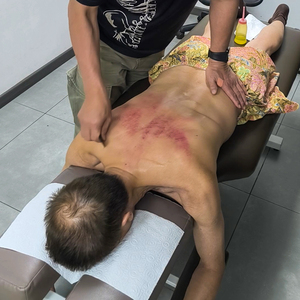
Gua Sha is a traditional healing technique rooted in Chinese medicine that involves gently scraping the skin with a smooth-edged tool to stimulate circulation and promote natural healing. Commonly used to relieve muscle tension, improve blood flow, and reduce inflammation, Gua Sha is both therapeutic and deeply relaxing. When used on the body, it helps release tight muscles and encourages detoxification. In facial treatments, Gua Sha promotes a healthier, more radiant complexion by lifting the skin, reducing puffiness, and enhancing lymphatic drainage. Though it may leave temporary redness or mild bruising, these are signs of improved circulation and usually fade within a few days.
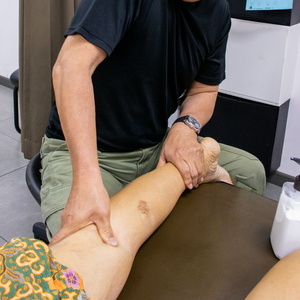
Tui Na, which means ‘push a grasp’, presents an endless range of soft tissue and manipulation techniques that are applied with lots of movement and vigour to the clothed body, on a chair massage couch.
Shiatsu, which means “finger” (Shi) pressure’ (atsu), is a therapeutic massage which is similar to acupuncture, but performed with needles. Shiatsu uses hand pressure and manipulative technique to adjust the body physical structure and its natural inner energies to help cure illness and maintain good health.
The treatment stimulates the circulation and the flow of lymphatic fluid, releases toxins and deep seated tensions from the muscles, stimulates the hormonal system and the immune system, and acts on the autonomic nervous healing power.
Chinese herbal medicine shops are essentially, the oriental version of a modern day pharmacist. Chinese herbalists sell traditional Chinese herbs to treat various types of illness and injuries. Depending on the illness, various types of herbs are prescribed for treatment and to restore the body’s physiological balance.